Pulse magnetic therapy
How Does PEMF Therapy Work?
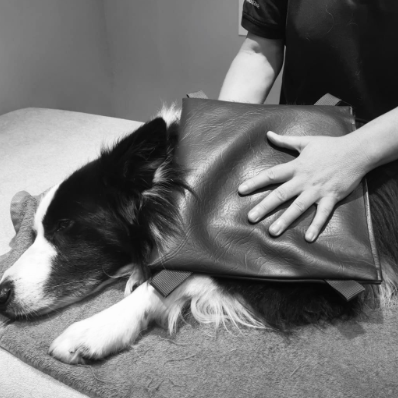
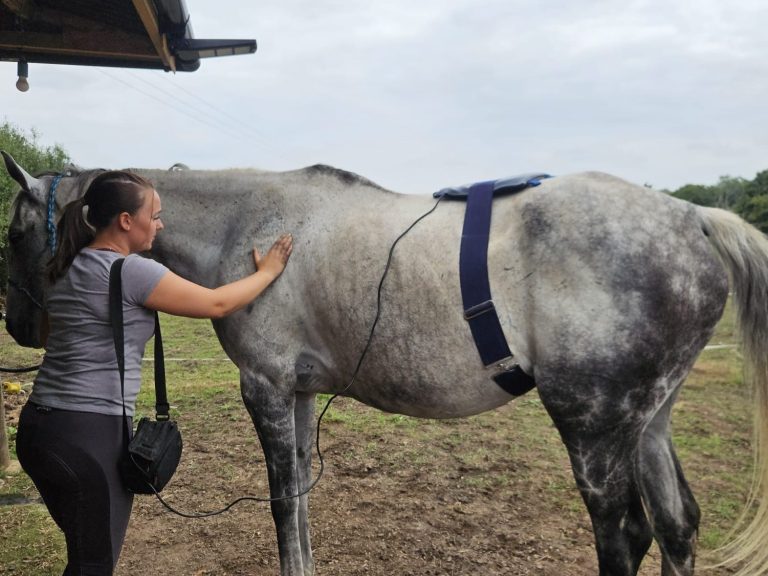
At Hannah’s Horses and Hounds Veterinary Physiotherapy, we use PEMF therapy as part of our toolkit to help reduce pain, speed up healing, and support recovery in our canine and equine patients. But what’s really going on beneath the surface? Let’s break it down in simple terms.
What is PEMF?
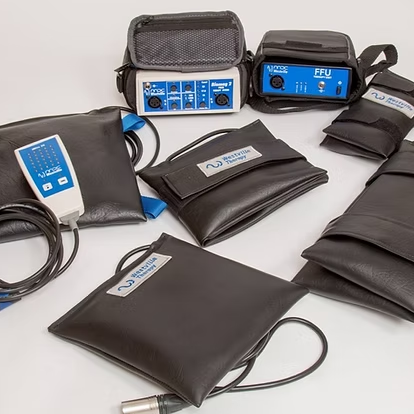
PEMF stands for Pulsed Electromagnetic Field therapy. It involves the use of electromagnetic waves delivered at specific frequencies to stimulate healing at a cellular level. The equipment consists of a control unit and magnetic coils (called applicators), which deliver controlled pulses to the target area.
Think of it as a therapeutic magnetic field powered by electricity, designed to assist the body’s natural repair processes.
How Does It Help the Body Heal?
When tissue is injured or inflamed, the cells in that area often have an altered electrical charge, making it harder for them to function and communicate properly. PEMF therapy helps restore a healthy electrical balance across the cell membrane. This encourages:
- Better ion exchange across the membrane
- Improved cellular metabolism
- Faster healing responses
Essentially, PEMF works by normalising cell function—but only in damaged or inflamed areas. Healthy cells are typically unaffected.
What’s Happening Inside the Body?
PEMF influences the movement of charged particles (ions) in the body, which is key for many physiological processes like:
- Nerve signalling
- Muscle contractions
- Energy production
One important effect of PEMF is the stimulation of calcium ion (Ca²⁺) release, which then binds to a protein called calmodulin. This reaction helps produce nitric oxide—a natural compound in the body that increases circulation, reduces inflammation, and promotes the release of growth factors vital for tissue regeneration.
PEMF for Pain Relief
One of the fascinating benefits of PEMF is its ability to reduce the transmission of pain signals. By shifting the nerve cell’s resting membrane potential from around -70mV to a more stable, hyperpolarised state (about -90mV), the nerve becomes less excitable. This means it’s less likely to transmit pain signals to the brain, providing a natural form of analgesia. If you'd like to know more about how PEMF could support your dog or horse, feel free to get in touch with us at Hannah’s Horses and Hounds Veterinary Physiotherapy. We’re here to help your animals move freely, recover quickly, and live comfortably.